Before & after: bakery oven restored in Wimbledon
Posted on 17/06/2026
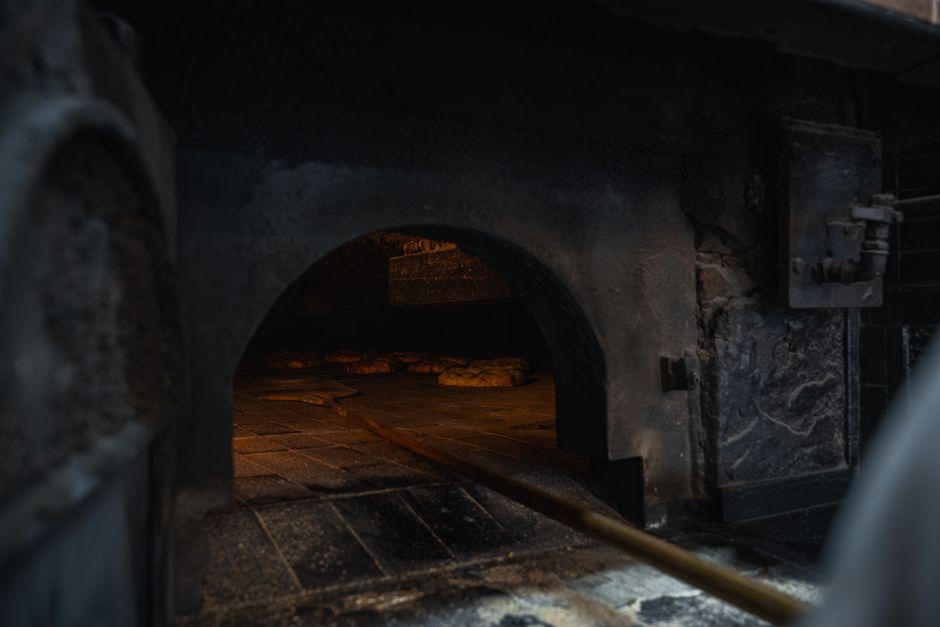
Before & after: bakery oven restored in Wimbledon
If you run a bakery, you already know the oven is not just another bit of equipment. It is the heart of the place. When it starts looking tired, smoking a little too much, or baking unevenly, the whole kitchen feels it. This before & after: bakery oven restored in Wimbledon guide looks at what a proper restoration can achieve, why it matters for day-to-day baking, and what to expect from the process without any fluff. Truth be told, the difference can be dramatic: cleaner trays, clearer glass, less burnt residue smell, and a calmer start to the morning shift.
Whether you manage a small artisan bakery, a cafe with an oven-heavy menu, or a commercial kitchen that has just slipped into that "we'll deal with it next week" stage, this article gives you the practical picture. We'll cover the visible transformation, the working method behind it, what good results look like, common mistakes, compliance points, and the questions people usually ask after seeing a messy oven turn back into a usable piece of kit.
Why Before & after: bakery oven restored in Wimbledon Matters
A bakery oven is under more pressure than a standard domestic oven. It runs hotter, more often, and usually with a wider mix of spills, sugars, flour dust, fats, syrups, and baked-on residue. That combination creates a very specific kind of dirt: sticky, carbonised, stubborn, and a bit miserable to shift once it has been allowed to build up. You can wipe the visible bits, sure, but a real restoration goes deeper than that.
Why does this matter so much in Wimbledon? Because local bakeries tend to work in tight spaces, with early starts and very little room for extended downtime. If the oven is struggling, even slightly, you feel it in product quality. A tray of pastries can colour unevenly. A loaf can come out with a patchy crust. The kitchen may smell of old grease instead of fresh dough. Not ideal, to put it mildly.
A true before-and-after change is about more than shine. It is about getting the oven back to a state where you can trust it again. The door seals properly. The fan housing is not caked. The cavity heats more evenly. You can inspect food more clearly through cleaner glass. Even the small things, like not having burnt residue smoke off during preheat, make the whole operation less stressful.
If you want a wider sense of how bakery cleaning fits into a service programme, it can help to look at the broader cleaning support offered through the services overview and the company background on about us. That is useful when you are deciding whether you need a one-off reset or something more regular.
Expert summary: a restored bakery oven should not just look cleaner; it should work cleaner, smell cleaner, and help the bakery run more predictably. If it does not improve those three things, the job probably was not finished properly.
How Before & after: bakery oven restored in Wimbledon Works
The process is straightforward in principle, but proper execution matters. The oven is isolated, cooled, assessed, and broken down into the parts that can be safely removed. Trays, racks, side panels, fan covers, and inserts are usually cleaned separately so each surface gets direct attention. Built-up grease is softened and lifted rather than scraped aggressively, because harsh scraping can mark surfaces or damage finishes.
The "before" stage often reveals more than expected. In bakeries, residue gathers in sneaky places: around hinges, behind glass, inside corners, along seals, and on elements or fan areas that are easy to overlook. Some of the worst grime is not obvious from the front. You open the door and think, that is not too bad. Then the side panel comes off and the story changes. Happens all the time.
The "after" stage should show a very clear shift. The cavity is brighter. The smell is lighter. The controls and glass are easier to read. The oven feels like it has some life left in it again. For a bakery, that matters because the oven is a working tool, not a showpiece. The point is not perfection for its own sake. The point is performance.
In many cases, restoration also includes safe handling of waste and residues. If you are dealing with greasy waste or wondering what can and cannot be disposed of with regular rubbish, see the guidance in Merton Council oven waste rules and safe disposal in CR4 and the related piece on rules for grease disposal. That becomes especially relevant in busy food businesses where waste handling has to stay tidy and defensible.
For bakeries that need a cleaner kitchen environment more broadly, this often sits alongside other scheduled services such as deep cleaning or a one-off reset via one-off cleaning. Different needs, same principle: reduce build-up before it turns into a bigger job.
Key Benefits and Practical Advantages
The obvious benefit is visual. A restored oven looks better in the kitchen, and that does matter. But the practical gains go much further than a nice-looking appliance.
- More even baking: heavy residue can affect heat movement and create uneven results.
- Less smoke and odour: old grease burns off during preheat, which is not a great smell when customers are nearby.
- Improved staff confidence: people work faster when equipment feels reliable.
- Better presentation: a clean oven helps maintain the standard expected in front-of-house visible kitchens.
- Potentially lower risk of avoidable faults: build-up around key areas can put extra strain on the oven over time.
- Cleaner working environment: less residue means less dust and greasy film spreading to surrounding surfaces.
There is also the morale factor. A badly neglected oven makes a kitchen feel tired. A restored oven, on the other hand, gives the whole room a fresh start. You notice it in the first 15 minutes of the shift. The door closes better. The glass is readable again. The team stops muttering about "that oven" like it is a shared enemy. Little win, but still a win.
If cost is part of the decision, it is worth understanding what should be included in a quote. A useful starting point is oven cleaning costs in Merton and what a quote should include. That article is helpful for spotting what is standard, what is extra, and what should raise a question or two before you agree to anything.
For bakers balancing a broader cleaning schedule, it may also be relevant to review spring cleaning if the oven restoration is part of a seasonal reset, or house cleaning and domestic cleaning if you are managing a mixed-use property with staff accommodation nearby. Not every bakery needs that, obviously. But some do, and the overlap is more common than people think.
Who This Is For and When It Makes Sense
This is for anyone running a bakery oven that has moved beyond routine wipe-downs. That could be a small independent bakery in Wimbledon Village, a cafe with daily pastry production, or a neighbourhood shop that relies on dependable morning bakes and simply cannot afford sluggish equipment.
It also makes sense if you are seeing any of these signs:
- Brown or black residue on the interior walls or ceiling
- Uneven colouring on baked goods
- Visible smoke or smell during preheat
- Sticky glass that no longer clears properly
- Racks, trays, or side panels that look permanently stained
- A kitchen team that has stopped trusting the oven for delicate bakes
There is a good rule of thumb here: if staff are working around the oven instead of with it, restoration is probably due. And if you are already planning a larger reset of the premises, you might combine it with office cleaning for admin areas or carpet cleaning for customer-facing rooms. Again, not because every bakery needs every service, but because bundled cleaning often makes operational sense.
This kind of restoration can also be useful before inspections, after a busy seasonal run, or following a period where the oven was heavily overworked. Think winter trade, holiday baking, or a stretch where staffing was lighter than usual. You know how it goes. The day-to-day pressure wins for a while, then suddenly the oven needs a proper rescue.
Step-by-Step Guidance
If you are planning a bakery oven restoration, this is the practical sequence that usually gives the cleanest result without causing unnecessary disruption.
- Assess the condition. Look for heavy carbon build-up, burnt sugar, grease, and any areas where residue is sitting around seals or fan components.
- Switch off and cool down properly. Never rush this part. A hot oven and strong cleaning products are a bad mix.
- Remove safe-to-clean parts. Racks, trays, side panels, fan covers, and removable inserts should be separated where possible.
- Pre-soak or soften stubborn residue. This is where the real difference begins. Softening beats brute force nearly every time.
- Clean the cavity systematically. Work top to bottom, then check corners, edges, and around the door opening.
- Detail the glass, seals, and controls. These are the areas that often make the "after" photo look convincing, but they also matter in daily use.
- Rinse, dry, and reassemble carefully. Any remaining moisture or cleaner residue should be removed before the oven goes back into service.
- Test the oven. Run a short heat cycle and check for smell, smoke, or uneven operation.
A decent restoration job should leave you with a cleaner-looking oven and a clearer sense that it is ready for work. If it still smells off after the cleaning, something was missed. Simple as that.
For businesses that care about process as much as outcome, it can help to understand the provider's approach to safety and service quality. The pages on health and safety policy, insurance and safety, and terms and conditions are worth a read if you want the boring but important details before anyone starts work. Boring, yes. Important, also yes.
Expert Tips for Better Results
A few small choices make a big difference in the final result. First, do not leave a neglected oven to the point where the build-up is almost welded on. The longer residue sits, the harder it becomes to remove without extended labour. Prevention is cheaper than recovery, as everyone says, and annoyingly it is true.
Second, keep a simple cleaning rhythm between full restorations. Wipe down high-splash zones, clear loose crumbs, and remove spilled sugar or fat before it hardens. In bakeries, sugar behaves like glue once heat gets involved. Very charming.
Third, think about the surrounding environment. If the oven is restored but the room still has old grease on tiles, extractor edges, or nearby soft furnishings, the kitchen will not feel properly refreshed. That is where broader services sometimes come into play, such as house cleaning for adjoining living spaces or upholstery cleaning if seating areas are affected by food odours and residue in customer zones.
Fourth, ask for before-and-after photos if you are comparing providers. It is not about being fussy. It is about seeing whether they handle detail work well, especially in corners, around glass, and near the door seal. The cleaner the finish in the awkward spots, the more confidence you can have in the whole job.
Finally, schedule restoration at a sensible time. Early morning before service, a quiet afternoon, or a planned shut-in window are all better than trying to squeeze it in between bakes. That sounds obvious, but real kitchens are hectic and obvious things get missed. Happens to the best of us.

Common Mistakes to Avoid
The first mistake is assuming a surface clean is enough. It rarely is. If residue has built up in the fan area, on the ceiling, or around the hinges, a quick wipe can make the oven look marginally better while leaving the real issue untouched.
The second mistake is using the wrong products or too much force. Harsh abrasives can scratch finishes, damage seals, or leave surfaces looking worse in daylight than before. A heavy hand is not a skill. It just feels busy.
The third mistake is forgetting the removable parts. Racks and trays often carry the worst staining, and if they are reinstalled half-cleaned, they undo much of the visual improvement.
The fourth mistake is ignoring waste handling. Greasy residues, used cloths, and debris should be disposed of properly. If you are unsure about disposal expectations, the articles on avoiding fines with grease disposal rules and the risks of grease build-up are useful context, even if your kitchen is not in those exact spots.
The fifth mistake is waiting until performance is already suffering. By then, you are cleaning under pressure rather than planning sensibly. That is when jobs feel more expensive, more disruptive, and more annoying than they need to be.
Tools, Resources and Recommendations
A proper bakery oven restoration usually involves a mix of safe degreasers, soft cloths, scrapers designed for delicate surfaces, detailing brushes, non-abrasive pads, and plenty of clean water or rinse material depending on the method. The point is control. Not chaos.
If you are building a cleaning routine around bakery equipment, the following resources on the site can help you plan the wider picture:
- Services overview for a quick sense of available cleaning categories
- Pricing and quotes if you want to understand how estimates are typically framed
- Payment and security for reassurance around how booking and payment are handled
- Accessibility statement if accessibility of information matters to your team
- Complaints procedure if you want to know how issues are handled if something does not go as planned
One practical recommendation: keep your own simple oven log. Nothing fancy. Just the date of the last deep clean, any unusual smells or smoke, and when parts were last checked. That little note can save time later. It is not glamorous, but then neither is scrubbing burnt pastry syrup off an oven ceiling at 6:30 a.m.
Law, Compliance, Standards, or Best Practice
For bakery kitchens, compliance is less about dramatic legal drama and more about sensible, repeatable good practice. You should keep cleaning methods compatible with food-safe operations, avoid contaminating surfaces, and make sure waste is handled responsibly. If your oven sits in a food production environment, the cleaning method should not introduce residues that could affect equipment or ingredients.
It is also best practice to use a provider that can explain what they do, what products they use, and how they protect the working area. That includes safeguarding nearby food preparation surfaces, managing slip risks, and leaving the space ready for normal use. If a cleaner cannot explain their process in plain English, that is a small red flag. Not a huge one, maybe, but worth noticing.
Wimbledon businesses often want reassurance around service standards, especially when work happens before opening hours. In that context, transparent policies matter. A provider's health and safety policy and insurance and safety information help show that the work is being handled properly. For businesses that want a bit more background on how the company works, about us is a sensible place to start.
If you are disposing of waste associated with the clean, follow local handling expectations and do not guess. Grease and food waste can be an issue if handled carelessly, and it is better to check than to assume. That is the boring answer, but the right one.
Options, Methods, or Comparison Table
Not every oven needs the same level of attention. Here is a practical comparison of common approaches so you can decide what is actually needed.
| Method | Best for | What it does well | Limitations |
|---|---|---|---|
| Quick maintenance clean | Light daily residue and fresh spills | Stops dirt hardening, keeps surfaces tidy | Won't shift heavy carbon or old grease |
| Deep oven clean | Regular bakery ovens with moderate build-up | Removes stubborn residue, improves performance and appearance | May still miss neglected internal detail if rushed |
| Full restoration clean | Ovens with heavy build-up, smoke, smells, or poor performance | Resets the oven visually and functionally | More time, more detail work, more disruption |
For a bakery oven in Wimbledon, a full restoration is usually the right choice when the oven has gone beyond routine maintenance. If the question is, "Will a quick clean do it?" the honest answer is sometimes no, and that is fine. Better to be realistic than pretend a half-measure will fix stubborn build-up.
Case Study or Real-World Example
Here is a realistic example from the kind of situation many local bakeries face. A small Wimbledon bakery had an oven that was still working, but only just. Staff reported smoky preheats, residue on the glass, and a faint burnt smell that hung around longer than it should. The oven was being used daily for pastries and tray bakes, so the build-up had crept in gradually. No drama, just slow neglect. Very normal.
The restoration started with a detailed inspection, then the removable parts were cleaned separately. The cavity had a mix of sugary deposits and darkened grease around the upper sections and seals. Once softened and lifted properly, the oven came back looking markedly brighter. More importantly, the team noticed that the preheat smell dropped off and the glass stayed clearer for longer between cleans.
The biggest change was probably not the photo-worthy one. It was trust. The staff stopped second-guessing the oven for delicate bakes. That's the thing people underestimate. A cleaner oven can change how a kitchen feels. It can steady the rhythm of the morning.
If you are planning a similar job and want to compare service options by location or timing, the related piece on same-day oven cleaning in Wimbledon SW19 is a helpful companion read. For slightly different settings, oven cleaning for flats and blocks in Raynes Park gives a sense of how access and scheduling can affect the job.
Practical Checklist
Use this quick checklist before booking or carrying out a bakery oven restoration:
- Confirm the oven is cool and safe to work on
- Identify removable parts that should be cleaned separately
- Check for heavy carbon, grease, or sugar build-up
- Inspect the door glass, seals, hinges, and fan area
- Plan for a proper test run after cleaning
- Make sure waste will be handled responsibly
- Decide whether the job is a maintenance clean, deep clean, or full restoration
- Allow enough downtime so the kitchen is not rushed
- Keep a note of what changed after the clean
- Review related cleaning needs in nearby kitchen or customer areas
Quick take: if the oven is visibly stained, smells off when heating, or is affecting baking consistency, do not wait for it to become a bigger problem. A reset now is usually easier than a rescue later.
Conclusion
A good before & after: bakery oven restored in Wimbledon result is not just about the shine in the photo. It is about the quieter, more useful changes: smoother baking, less smoke, easier cleaning afterwards, and a kitchen that feels under control again. In a bakery, that control matters. It affects speed, quality, confidence, and honestly the mood of the room.
If your oven has reached the point where the residue is doing more than just looking untidy, restoration is probably the sensible next move. Keep it practical, keep it safe, and do not let build-up become a habit. Once the oven is back where it should be, the whole team feels it. And that is a nice feeling, especially on a busy Wimbledon morning.
Get a free quote today and see how much you can save.