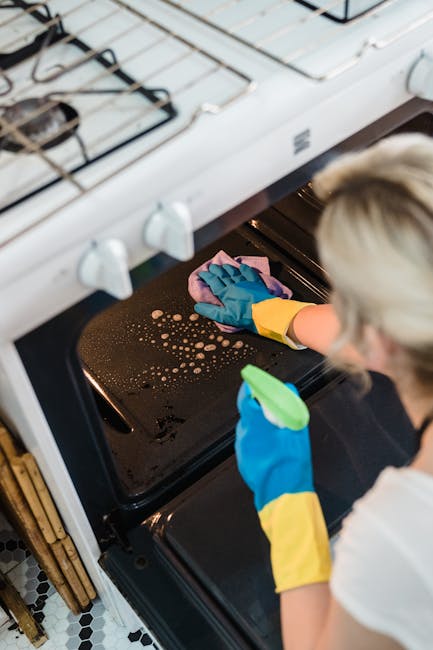
Small landlords' oven cleaning checklist for Merton rentals

If you rent out a flat or house in Merton, the oven is one of those small details that can cause an outsized amount of fuss. It looks minor on paper. In real life, though, a greasy grill pan, burnt-on trays, or a smoky fan can become the thing tenants notice first, and the thing that slows down a handover. This Small landlords' oven cleaning checklist for Merton rentals is designed to help you keep standards consistent, reduce avoidable disputes, and make inspections feel less like guesswork.
Whether you manage one property or a small handful, the aim is simple: know what "clean enough" looks like, what to check, when to clean, and when it makes more sense to bring in a specialist. That way you're not scrambling at the last minute, and you're not relying on memory when a tenancy ends on a damp Thursday afternoon and the cooker suddenly looks worse than anyone remembered.
Practical takeaway: treat oven cleaning as part of routine property care, not a last-minute rescue job. It saves time, helps the kitchen present better, and usually makes the whole checkout conversation a lot calmer.
Why Small landlords' oven cleaning checklist for Merton rentals Matters
For a small landlord, the oven is rarely just an appliance. It is part of the overall impression a tenant gets the moment they walk into the kitchen. If the door glass is cloudy, the shelves are sticky, or the control panel feels grimy, the property can look neglected even when the rest of the flat is spotless. That matters in Merton, where many rental homes are tight on space and the kitchen tends to do a lot of visual heavy lifting.
There's also the practical side. A dirty oven can produce smells, smoke, and uneven heating. Tenants may complain. New occupants may assume the whole property has been rushed. And at the end of a tenancy, the lack of a clear cleaning record can become one more point of friction during check-out. Nobody needs that. Not really.
Small landlords often do not have the time or headspace that larger portfolio operators rely on. You might be handling repairs yourself, using a local one-off cleaning service for the occasional deep refresh, and trying to stay on top of everything between work and family life. In that context, a repeatable oven cleaning checklist gives you structure. It turns a messy task into a manageable process.
It also helps with presentation. A clean oven suggests the wider home has been looked after. Pair that with decent general upkeep, and the property simply feels more cared for. If you already use domestic cleaning support or broader house cleaning help, the oven should sit within the same maintenance rhythm rather than being left until the last week of a tenancy.
How Small landlords' oven cleaning checklist for Merton rentals Works
The checklist works by splitting oven care into stages: before the tenancy, during routine occupancy, at checkout, and after any serious spill or build-up. That sounds obvious, but it's the difference between reactive cleaning and sensible property management. You check the oven at predictable points, note what you see, and decide whether the job is routine, detailed, or best handled by a professional.
In practice, that means looking at more than just the main cavity. A proper landlord check includes the oven door glass, racks, trays, knobs or digital controls, seals, hinges, fan cover, and any visible grease around the surrounding unit. If the property has a hob and extractor nearby, those often tell the story too. A spotless oven with a filthy extractor hood is a bit like polishing one shoe and ignoring the other.
The other part of how it works is recording. You do not need a fancy system. A dated photo set and a short note are often enough. That way, if a tenant asks why an additional clean was needed, you can point to the actual condition rather than relying on memory. Simple. Useful. Slightly boring, but in landlord life boring is often good.
If the oven is in particularly poor condition, you may decide a professional oven cleaning visit is the most efficient route, especially if you are preparing a property for new tenants or coordinating several tasks at once. Many small landlords also combine this with broader tidy-up work such as deep cleaning when a tenancy has left the kitchen heavily used.
Key Benefits and Practical Advantages
A clear oven cleaning checklist does more than keep things neat. It protects your time, your reputation, and the overall condition of the rental. Here are the biggest advantages:
- Better tenant experience: people remember the kitchen first. A clean oven makes the whole property feel more move-in ready.
- Fewer disputes at checkout: if you know the oven's condition at move-in and can compare it at the end, conversations stay grounded in evidence.
- Cleaner-smelling kitchen: burnt fat and hidden residue can create lingering smells that tenants notice quickly.
- Reduced maintenance issues: heavy build-up can make ovens harder to use properly and, in some cases, shorten appliance life.
- More efficient turnovers: when one task is already planned, the rest of the turnaround tends to fall into place more smoothly.
There's also a business benefit that gets overlooked. A small landlord with tidy systems often feels more dependable to tenants. That matters in Merton, where many renters compare properties quickly and expect a standard that feels respectful, not patchy. A clean oven is not glamorous, but it sends a message.
If you also manage other surfaces in the home, the same thinking applies. Kitchen care sits alongside things like hard floor cleaning, window cleaning, and even fabric refreshes like upholstery cleaning. The property feels joined up when every area receives the same level of attention.
Who This Is For and When It Makes Sense
This checklist is for small landlords, accidental landlords, and anyone managing one or two Merton rentals without a full-time property team. If you occasionally step into your own properties to inspect, organise maintenance, or prep for new tenants, this is for you. It is also useful for landlords who use cleaners for general turnover work but still want a clear standard for the oven specifically.
It makes sense at a few key times:
- Before a new tenancy begins: so the oven is ready from day one.
- During routine inspections: to spot build-up before it becomes a bigger issue.
- After long-term occupancy: when grease and residue are more likely to have built up.
- After a report of smoke, smell, or poor performance: because those are early signs the oven needs attention.
- At the end of tenancy: where oven condition can influence handover speed and deposit discussions.
It is also helpful if you let furnished properties or properties with appliances included. If the oven is part of the inventory, you owe yourself a clear standard. Otherwise you can end up arguing over whether a tray was already stained or whether the side walls were always like that. And frankly, nobody enjoys that chat.
Step-by-Step Guidance
Here's a practical, landlord-friendly way to handle oven cleaning without overcomplicating it.
1. Start with a quick safety check
Before you touch anything, make sure the oven is off and completely cool. Check that controls are not live, and if the appliance has a self-clean cycle or any special function, do not assume it has been set correctly. Safety first. Always.
2. Remove loose parts
Take out racks, trays, shelves, and any removable side supports if the model allows it. This makes the rest of the job much easier and helps you clean corners properly. If you skip this step, residue tends to hide where it is hardest to reach later.
3. Inspect the inside carefully
Look at the bottom of the cavity, the roof, side walls, fan cover, and the door seal. Note any burnt-on marks, grease droplets, or food spill residue. A small splatter on the base is one thing; thick, sticky build-up across several surfaces is another.
4. Clean the removable parts first
Racks and trays usually need soaking or a longer dwell time with a suitable cleaner. Once loosened, residue tends to come off more easily. Don't rush the soak. Ten minutes is often not enough if the build-up has been there for months. Truth be told, oven grease is stubborn in a very particular way.
5. Wipe and detail the cavity
Use a cloth or non-abrasive pad and work methodically from top to bottom. Focus on greasy areas first, then wipe away any cleaner residue. If you're managing the job yourself, avoid harsh scrubbing tools that can scratch enamel or damage coatings.
6. Don't forget the glass and controls
The oven door glass makes a huge visual difference. Clean both the interior and exterior side if accessible. Also wipe knobs, buttons, handles, and the surrounding trim. A greasy control panel can make a carefully cleaned oven still look half-done.
7. Check the seals and edges
Rubber seals or gasket edges are easy to miss, yet they collect grime quickly. If these are dirty, tenants may assume the appliance has been neglected. Clean gently so you don't compromise the seal itself.
8. Reassemble and test visually
Put shelves and trays back once dry, then do a final walk-through with the oven door closed and open. It should look clean from every angle, not just from the front. Stand back for a moment. If the first impression is "still a bit greasy," it probably is.
9. Photograph and record the condition
For landlords, this part matters. Take a few clear photos and keep a short note of the date, condition, and any follow-up needed. If the oven was cleaned by a contractor, keep the invoice and service notes together with your property file.
Expert Tips for Better Results
In our experience, the difference between a decent oven clean and a great one comes down to patience and sequence. Not magic. Just sequence.
- Let cleaning products dwell: give them time to soften baked-on grease before wiping.
- Work from the cleanest area outward: this stops you spreading grime back over already-clean surfaces.
- Use microfibre cloths for finishing: they pick up residue better than rough towels and leave less lint behind.
- Handle the glass separately: it often needs a second pass for a streak-free finish.
- Check the extractor area too: it can undo the visual effect if it is visibly greasy.
If you are preparing for an inventory, clean lighting makes the whole job easier. Afternoon daylight can reveal missed smears very quickly, especially on glass and chrome trim. That tiny detail matters more than people think.
Also, don't forget to match the level of cleaning to the property's condition. A lightly used oven in a quiet one-bedroom flat is not the same as a heavily used family kitchen. The standard should be fair, not performative.
Common Mistakes to Avoid
These are the errors that tend to create extra work later on.
- Leaving oven cleaning until checkout day: the job always takes longer than expected when you are under pressure.
- Ignoring the door glass: it is one of the first things people notice.
- Using abrasive tools on enamel: scratches can make the oven harder to keep clean later.
- Forgetting the trays and shelves: a spotless cavity with dirty accessories looks incomplete.
- Cleaning only what is visible at a glance: corners, seals, and the fan cover matter too.
- Skipping documentation: without notes or photos, you lose the simple proof that helps in tenant conversations.
Another common slip is assuming every oven should be returned to showroom condition. That is not always realistic, especially in older rental properties. The more useful question is: does it look hygienic, functional, and properly maintained? That's the standard that usually holds up best in practice.
Tools, Resources and Recommendations
You do not need a van full of specialist kit to keep rental ovens in shape. A small, sensible set of tools usually does the job.
| Item | Best use | Why it helps |
|---|---|---|
| Microfibre cloths | Final wipe-downs and glass finishing | Good for lifting residue without streaking |
| Non-abrasive sponge | General cleaning inside the cavity | Reduces the risk of scratching enamel |
| Soft brush | Crevices and corners | Helps loosen dirt around seals and edges |
| Protective gloves | Handling cleaners and greasy parts | Keeps hands cleaner and improves grip |
| Container or tray soak tub | Racks and removable parts | Makes soaking easier and less messy |
| Camera or phone | Before-and-after records | Useful for inventory evidence and landlord files |
If the oven is heavily soiled or you need a more efficient result before a new tenancy starts, a specialist from oven cleaner services may be a sensible option. That can be especially handy when you are already coordinating other tasks like end of tenancy cleaning or broader cleaning company support.
One more practical note: if the oven is part of a property with mixed flooring and surface needs, it is often more efficient to schedule the kitchen clean alongside services such as carpet cleaning or window cleaning. Fewer separate visits usually means less disruption.
Law, Compliance, Standards and Best Practice
For UK landlords, the core point is not about chasing a single formal oven-cleaning rule. It is about keeping the property in a reasonable, safe, and presentable condition, and being able to show that you manage it responsibly. Good records, sensible cleaning frequency, and a clear standard all help.
In rental practice, the safest approach is to align your oven checks with your tenancy paperwork, inventory photos, and any check-in or check-out reports. If the oven is included in the let, it should be reasonably clean and functional at the start of the tenancy. At the end, it should be returned in a condition consistent with fair wear and tear and the terms of the agreement. That wording matters because "perfect" is not always the same as "reasonable."
From a best-practice perspective, it is wise to:
- keep dated photographic records
- maintain a simple cleaning schedule
- use safe, appropriate products for the appliance finish
- avoid DIY methods that risk damage
- bring in help if the cleaning job is beyond routine maintenance
If you work with external cleaners, it also helps to understand their safety and process standards. You can review a provider's health and safety policy, their approach to insurance and safety, and how they handle admin details through pages such as payment and security and terms and conditions. Not the most thrilling reading, admittedly, but useful.
For landlords who care about wider business ethics and operational transparency, it can also be reassuring to see pages such as about us, privacy policy, and recycling and sustainability. Those are small signals, but they do add confidence when choosing a provider.
Options, Methods, or Comparison Table
There is no single best way to clean an oven in a rental property. The right choice depends on condition, timing, and how much risk you are willing to take on yourself. Here's a practical comparison.
| Method | Best for | Pros | Cons |
|---|---|---|---|
| Basic landlord wipe-down | Light use between tenancies | Quick, inexpensive, good for routine upkeep | May not shift burnt-on residue |
| DIY deep clean | Moderate build-up and routine turnover | Flexible timing, lower immediate cost | Time-consuming, easy to miss details |
| Professional oven cleaning | Heavy grime, fast turnarounds, checkout prep | More thorough finish, less effort for landlord | Higher cost than doing it yourself |
| Full property clean with appliance focus | End-of-tenancy or move-in preparation | Most polished result across the whole home | Needs scheduling and coordination |
For a small landlord, the sweet spot is often a mix of routine checks and professional help when needed. If the oven only needs a light refresh, do it yourself. If it has been neglected, or if you are trying to get the place back on the market quickly, paying for a specialist can be the cleaner choice. Pun absolutely intended, sorry.
Case Study or Real-World Example
Here's a typical scenario from a small Merton rental. A landlord had a one-bedroom flat with a mid-range electric oven that looked fine from the outside but had a sticky fan surround, cloudy door glass, and trays coated with old grease. Nothing dramatic. Just enough to make the kitchen feel tired.
The landlord was planning a quick turnover between tenants, so the oven was added to the same day as the general clean. First, the removable parts were soaked. Then the cavity was wiped, the glass was polished, and the surrounding hob area was finished off so the whole kitchen felt consistent. It took longer than expected, which is usually how these things go, but the final result made the flat look properly ready rather than merely vacated.
The useful bit was not the cleaning itself. It was the record. Photos were taken before and after, the property file was updated, and the next tenant moved in without any awkward conversation about "what condition was it in originally?" That is the real win. Less noise, less back-and-forth, more certainty.
If the oven had been in much worse condition, the landlord would have been better off using a dedicated oven cleaning specialist rather than trying to rescue it in a hurry. Sometimes the sensible route is just the sensible route.
Practical Checklist
Use this as a quick landlord-friendly reference before check-in, during inspections, or ahead of checkout.
- Confirm the oven is switched off and cool
- Remove racks, trays, and any detachable parts
- Inspect cavity walls, roof, base, fan cover, and seals
- Check the door glass inside and out
- Wipe controls, knobs, handles, and surrounding trim
- Soak or clean removable parts separately
- Use non-abrasive tools and suitable cleaners
- Dry all parts before reassembly
- Test the visual finish with the oven closed and open
- Take dated photos for your property records
- Note anything that may need maintenance rather than cleaning
- Decide whether the next job is routine, deep, or professional
Expert summary: If you can look at the oven and immediately think "clean, safe, and ready for the next occupant," you are in good shape. If your first thought is "I'll sort that later," it probably needs attention now.
Get a free quote today and see how much you can save.
Conclusion
For small landlords in Merton, oven cleaning is one of those jobs that rewards a bit of structure. A simple checklist keeps standards consistent, reduces last-minute stress, and makes your property feel genuinely cared for. That matters whether you are preparing for a new tenancy, managing an inspection, or trying to avoid a silly dispute over baked-on grease that should have been dealt with weeks earlier.
The best approach is usually calm and practical: inspect regularly, clean in stages, document what you do, and bring in help when the oven has moved beyond routine maintenance. Do that, and you'll keep the kitchen more presentable with far less effort overall. Small thing, big difference.
And honestly, that's what good landlord care often looks like: not perfection, just steady attention that makes life easier for everyone.
Frequently Asked Questions
How often should a small landlord clean an oven in a rental property?
It depends on how heavily the property is used, but a sensible approach is to check it during routine inspections and clean it properly between tenancies. Heavy use may justify more frequent attention.
What should be included in a landlord oven cleaning checklist?
At minimum, include the cavity, racks, trays, door glass, controls, seals, hinges, and any visible grease around the surrounding area. It is easy to miss the small details, and those are often the bits people notice first.
Do tenants have to return the oven spotless?
Not necessarily spotless in a showroom sense, but it should usually be returned in a reasonably clean condition consistent with the tenancy agreement and fair wear and tear. The exact expectation depends on the property and the contract.
Is professional oven cleaning worth it for small landlords?
Yes, especially when the oven is heavily soiled, time is tight, or you want a better result before new tenants move in. It can save time and reduce the chance of missed areas.
Can I use the same cleaner on the oven glass and inside cavity?
Sometimes, but not always. The safest answer is to check the product instructions and use non-abrasive tools where possible. Glass often needs a gentler finish than the inside cavity.
What is the biggest mistake landlords make with oven cleaning?
Leaving it too late. When the job is rushed, it is easier to miss racks, seals, or the glass, and that can make the entire kitchen look unfinished.
Should oven cleaning be part of end of tenancy cleaning?
Absolutely, yes. It is one of the most visible appliances in the kitchen and can affect how the whole property is judged during checkout.
How do I prove the oven was clean at the start of the tenancy?
Use dated photos and a simple inventory note. A short written record is often enough when paired with clear images.
What if the oven is damaged as well as dirty?
Cleaning won't solve damage such as broken seals, faulty knobs, or poor heating. If you spot a fault, log it separately and arrange maintenance rather than trying to clean your way around it.
Are harsh oven cleaners safe for rental properties?
They can be effective, but they also carry a higher risk of surface damage if used badly. For most landlords, a careful, non-abrasive approach is safer unless the product instructions clearly support stronger cleaning.
Can I combine oven cleaning with other property cleaning jobs?
Yes, and that is often the most efficient route. Many landlords combine it with one-off cleaning, deep cleaning, or broader prep work before a new tenancy.
What should I do if I don't have time to clean the oven myself?
Use a specialist or a trusted cleaning provider and keep the service record with your property documents. It is usually better to outsource the job properly than to half-finish it yourself under pressure.
Is there a difference between oven cleaning for owner-occupied homes and rentals?
Yes. In rentals, consistency and documentation matter more because you are managing expectations between different occupants. A private home can be a little more flexible; a rental really benefits from a standardised approach.
Who can help if I want a more complete cleaning plan for my Merton property?
If you want support beyond the oven, it can help to speak with a local team that offers services such as cleaners, domestic cleaning, and related property care. The right mix depends on how often you turn the property over and how much of the work you want to handle yourself.