Compare professional vs DIY oven cleaning in Merton
If your oven has reached that familiar stage where the glass looks cloudy, the racks feel sticky, and every roast dinner seems to leave a smoky reminder behind, you are probably weighing up two options: do it yourself, or bring in a professional. This guide to Compare professional vs DIY oven cleaning in Merton is designed to make that choice much easier. We will look at cost, effort, safety, finish quality, timing, and the kind of mess that can turn a simple clean into a half-day project. Truth be told, the right answer is not the same for every household.
Some ovens only need a bit of elbow grease and a careful plan. Others, especially the ones that have seen years of Sunday roasts, baking spills, and the odd forgotten tray bake, really benefit from a deeper, specialist clean. In a busy place like Merton, where many homes are balancing work, family life, and limited free time, the decision often comes down to what you value most: saving money, saving time, or getting the best possible result.
Below, you will find a clear comparison, practical steps, a checklist, and a realistic view of when DIY makes sense and when professional help is the smarter call. If you want to understand where oven cleaning fits within wider home care, you may also find the broader approach to deep cleaning services useful, especially when one chore starts to snowball into several.
Table of Contents
- Why Compare professional vs DIY oven cleaning in Merton Matters
- How Compare professional vs DIY oven cleaning in Merton Works
- Key Benefits and Practical Advantages
- Who This Is For and When It Makes Sense
- Step-by-Step Guidance
- Expert Tips for Better Results
- Common Mistakes to Avoid
- Tools, Resources and Recommendations
- Law, Compliance, Standards, or Best Practice
- Options, Methods, or Comparison Table
- Case Study or Real-World Example
- Practical Checklist
- Conclusion
- Frequently Asked Questions
Why Compare professional vs DIY oven cleaning in Merton Matters
Oven cleaning is one of those jobs people tend to postpone until the smell becomes impossible to ignore. It matters because a dirty oven is not just an appearance issue. Built-up grease can affect cooking performance, make temperatures feel less even, and leave behind smoke or odours that spread through the kitchen. If you have ever opened the door and been greeted by a burnt-sugar smell from three cooks ago, you will know exactly what that means.
In Merton, many households juggle compact kitchens, rental agreements, and busy schedules. That makes the choice between professional and DIY cleaning more than a simple preference. It becomes a question of practicality. Do you have time to strip down the oven safely? Do you know how to clean the door seals and fan area without causing damage? Are you prepared for the sort of greasy residue that seems to reappear just when you think you have finished?
The comparison also matters because oven designs vary. A basic single oven is one thing. A range cooker, fan-assisted model, or combination oven can be much more awkward. Some parts come off easily; others feel designed by someone who never actually cleaned an oven in their life. That is not a joke, sadly. It just feels that way sometimes.
For homeowners, tenants, landlords, and busy families, choosing the right method can mean the difference between a decent clean and a genuinely refreshed appliance. If you are already looking at household maintenance as a bigger project, it may be worth considering services like domestic cleaning support or a broader one-off cleaning visit to get the house back under control in one go.
How Compare professional vs DIY oven cleaning in Merton Works
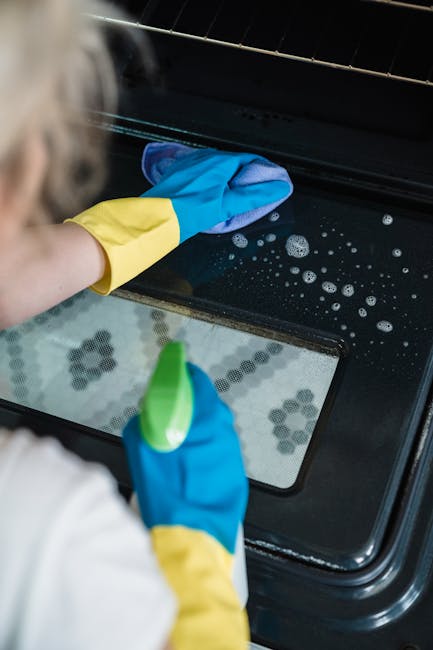
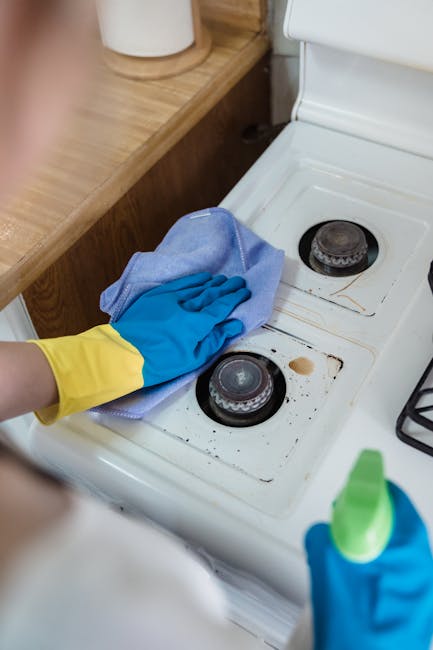
The simplest way to compare the two is to look at process, effort, and outcome. DIY oven cleaning usually means buying your own products, removing the racks and trays, applying cleaner or using natural alternatives, scrubbing manually, rinsing carefully, and repeating the process for stubborn spots. Professional oven cleaning, by contrast, usually involves a technician assessing the appliance, dismantling removable components where appropriate, applying specialist products, and restoring the oven with more efficient tools and techniques.
DIY is hands-on. You control every step, which can be a good thing if you are patient and careful. The downside is that the job often takes longer than people expect. What starts as "I'll just clean the door" can easily become "why is the whole kitchen covered in foam and regret?"
A professional clean is usually more structured. The cleaner works systematically, often paying attention to trays, racks, interior surfaces, door glass, seals, and sometimes extractor areas nearby if requested. The main benefit is consistency. A trained cleaner knows which parts need gentler treatment and which greasy layers need more targeted effort. That can be especially helpful if the oven has not been properly cleaned for a long time.
There is also a difference in risk. DIY cleaners may accidentally scratch glass, damage enamel, or leave residues in corners. Professionals should know how to avoid that, and reputable companies will normally have sensible processes around health and safety and insurance and safety. That does not mean DIY is wrong. It just means the stakes are different.
Think of it like this: DIY is a personal project with savings attached. Professional cleaning is a convenience service with a stronger chance of a polished result. Both can work. The better choice depends on the oven, the mess, and your tolerance for scrubbing with very little reward for the first twenty minutes.
Key Benefits and Practical Advantages
Each option has its own strengths, and the useful answer is not "professional wins every time." It really depends on what you need.
Benefits of DIY oven cleaning
- Lower upfront cost: You usually only need cleaning products, cloths, gloves, and a little time.
- Flexibility: You can clean when it suits you, even if that means ten minutes here and there.
- Full control: You decide how much cleaning product to use and which areas get extra attention.
- Good for light maintenance: Regular wipes and gentle cleaning can stop grease from becoming a bigger problem.
Benefits of professional oven cleaning
- Time saved: A specialist can often complete in a fraction of the time it takes most people.
- Deeper finish: Heavy grease, carbon build-up, and stubborn grime are generally handled more effectively.
- Less effort: Handy if you have a sore back, limited time, or just do not want to spend your evening wrestling with a roasting tray.
- Better for neglected ovens: Older or very dirty ovens can be difficult to restore with household products alone.
There is also a comfort factor. A professionally cleaned oven often feels almost reset. The door is clearer, the racks look brighter, and the next meal does not carry that faint smoky smell. Small thing? Maybe. But you notice it every time you cook.
For households where the oven is heavily used, pairing a professional deep clean with ongoing light maintenance can be a very sensible middle ground. If that sounds like your setup, a local oven cleaner may be worth considering rather than starting from scratch each time.
Who This Is For and When It Makes Sense
DIY oven cleaning makes sense if the oven is lightly soiled, you enjoy household tasks, and you are happy to spend the time. It is often the better choice for newer appliances or for people who clean the oven regularly before grease becomes baked on. If you are already doing weekly kitchen upkeep, a careful DIY routine can be perfectly adequate.
Professional oven cleaning makes more sense if one or more of the following applies:
- the oven has heavy build-up or visible carbon deposits;
- the glass door is badly marked and difficult to see through;
- you are preparing for a tenancy handover or property sale;
- you have several appliances or a larger cooker to deal with;
- you do not want to spend your free time scrubbing at stubborn grease;
- you have mobility issues, back concerns, or just do not fancy the physical side of it.
Landlords and tenants often sit in a grey area. Tenants may be trying to meet cleanliness expectations at the end of a lease, while landlords may want the appliance ready for the next occupant. In those situations, a professional clean can reduce disputes and give a more even finish. If you are organising a move-out, it may make sense to look at end of tenancy cleaning alongside the oven itself.
And then there are households with multiple cleaning jobs piling up at once. If the oven is only one part of the picture, a wider service such as house cleaning or even home cleaners may be more efficient than tackling each task separately. Let's face it, sometimes the real problem is not the oven. It is everything around it.
Step-by-Step Guidance
Here is a practical way to approach the decision and the cleaning itself. The aim is not to make you a professional overnight; it is to help you choose the right route without guesswork.
DIY oven cleaning steps
- Let the oven cool fully. Do not rush this. Warm metal and cleaning products are not a good mix.
- Remove loose items. Take out trays, shelves, thermometers, and any detachable parts that can be cleaned separately.
- Protect the area. Put an old towel or newspaper under the oven door if needed.
- Choose a suitable cleaner. Use a product that matches the oven material and follow the label carefully.
- Apply sparingly. More product does not always mean better results. Sometimes it just means more wiping later.
- Scrub with care. Focus on corners, door glass, and rack grooves where grease collects.
- Wipe and rinse thoroughly. Leftover cleaner can smoke or smell when the oven heats up.
- Dry completely. Reassemble only when everything is dry and residue-free.
Professional oven cleaning steps
- Book the service and confirm the appliance type. This helps the cleaner arrive with the right products and expectations.
- Clear access. Move nearby items so the cleaner can work safely and efficiently.
- Allow inspection. The cleaner will usually assess build-up, removable parts, and any delicate surfaces.
- Deep clean the oven. Specialist products and tools are used on the interior, racks, trays, glass, and other suitable parts.
- Reassemble and check the finish. A good service leaves the appliance ready to use, with minimal mess left behind.
If you want a more service-led approach, the general oven cleaning service page is a helpful starting point. It can also make sense to pair oven work with other kitchen-adjacent jobs, especially if the room needs a broader refresh.
Expert Tips for Better Results
There are a few small habits that make a big difference, whether you clean the oven yourself or bring someone in.
- Clean little and often. A five-minute wipe after a spill is far easier than a full reset later.
- Deal with splashes quickly. Sugary spills and oil drips become much harder to remove once baked on.
- Don't forget the door seal. People often clean the obvious surfaces and skip the edge where grime quietly builds up.
- Use the right cloth. Abrasive pads can scratch glass and enamel, so choose carefully.
- Ventilate the kitchen. Even mild cleaning products can smell stronger in a closed space.
- Check the oven manual if you still have it. This is especially useful for self-cleaning or delicate models.
A practical tip from everyday experience: if you see smoke or smell burning after a clean, it is often because some product was left behind in a hidden edge or on a tray rail. That is annoying, but usually avoidable with a proper final wipe. One extra pass with a clean damp cloth can save you a lot of bother later.
If your wider home care routine is already stretched, a local cleaners service can be a good option for the bits you do not want to keep battling yourself. Not everything needs to be a solo mission.
Common Mistakes to Avoid
Most oven cleaning problems come from rushing, using the wrong product, or assuming that "stronger" means "better." It rarely does.
- Using too much cleaner: This can leave residue, streaking, or extra smoke when the oven is next used.
- Scrubbing too aggressively: It is easy to damage the finish, especially on glass and sealed surfaces.
- Ignoring removable parts: Shelves and trays often hold a surprising amount of grime.
- Cleaning while the oven is warm: Heat can make fumes worse and cleaning less safe.
- Forgetting to rinse: Residue left behind is one of the most common reasons ovens smell odd afterwards.
- Not checking compatibility: Some cleaning products are not suitable for certain finishes or self-cleaning functions.
For professional cleaning, the biggest mistake is choosing the cheapest option without checking what is included. A very low price may look appealing, but if the service is rushed or unclear, the result may be patchy. That is where a bit of transparency matters. A reputable company should be happy to explain its process, and you can usually ask about pricing and quotes before booking.
Another common oversight is failing to prepare the kitchen. If the cleaner has no space to work, the job can take longer and the finish may not be as neat. A quick tidy before the appointment helps more than people think.
Tools, Resources and Recommendations
For DIY cleaning, you do not need a trolley full of gadgets. A sensible setup is usually enough.
- microfibre cloths;
- non-scratch sponge or soft pad;
- rubber gloves;
- bucket or bowl of warm water;
- a product suitable for ovens and grills;
- an old towel or protective sheet;
- paper towels for final drying.
For professional cleaning, what matters more is the provider's reliability than the products themselves. A good cleaning company should work methodically, keep you informed, and respect your home. If you are comparing providers, a cleaning company with clear policies and sensible service standards is usually a better bet than an ad hoc arrangement with no structure at all.
It can also help to look at the company's supporting information. Pages such as about us, terms and conditions, and payment and security show how they handle business basics. That is not glamorous, but it matters. A lot.
If sustainability is important to you, see whether the company explains its approach to recycling and sustainability. It is a small signal, but a useful one.
Law, Compliance, Standards, or Best Practice
Oven cleaning is not usually a heavily regulated task in the way some specialist trades are, but there are still sensible standards to consider. In the UK, the most practical issues are safety, product use, and treating a customer's home responsibly. That means avoiding damage, following product instructions, and using appropriate caution around heat, electricity, and chemical cleaners.
For households, the best practice is simple: read labels, keep products away from food contact surfaces unless the product is designed for that use, and make sure the oven is fully rinsed and dry before turning it back on. If a cleaner is using strong chemicals, ventilation matters too. Windows open a crack, extractor on, that sort of thing.
For professional providers, it is sensible to look for transparent safety practices, insurance cover, and basic customer protection terms. Reputable businesses should be able to explain how they work safely in domestic settings. If a provider mentions insurance and safety and has a clear health and safety policy, that is a positive sign.
It is also worth being careful with self-cleaning oven features. Some appliances have pyrolytic or catalytic systems, and those should be handled according to the manufacturer's guidance. If you are not sure, pause and check. Better to spend two minutes confirming than to spend two weeks regretting a damaged finish.
Options, Methods, or Comparison Table
Here is a straightforward comparison to help you weigh up the two approaches.
| Factor | DIY oven cleaning | Professional oven cleaning |
|---|---|---|
| Cost | Usually lower upfront | Higher upfront, but includes labour and expertise |
| Time | Can take a long time, especially for heavy grease | Usually faster and more efficient |
| Effort | High physical effort | Low effort for the customer |
| Finish quality | Good for light to moderate dirt | Typically better for deep build-up |
| Risk of damage | Higher if products or scrubbing are wrong | Lower if the provider is experienced |
| Best for | Regular maintenance and budget-conscious households | Heavily soiled ovens, time-poor customers, move-outs |
There is no single winner here. If your oven gets cleaned regularly, DIY can be perfectly sensible. If it has become a stubborn job you keep putting off, professional help often pays for itself in time and frustration alone.
For people who want the oven clean without turning the kitchen upside down for half a day, specialist oven cleaning is usually the stronger option. For those who prefer handling things personally and keeping costs low, DIY still has a place. Simple, really.
Case Study or Real-World Example
Imagine a busy family in Merton preparing for a Sunday lunch. The oven has been used for everything from chicken trays to tray bakes, and the door glass is now only vaguely transparent. They try a DIY clean first. One person does the scrubbing, another keeps opening cupboards to look for "the better sponge," and twenty minutes later the kitchen smells of cleaner and determination. The shelves are better, but the burnt patches near the base are still there.
So they switch approach. A professional cleaner comes in, checks the appliance, works through the removable parts, and deals with the stubborn areas more thoroughly. The oven comes out looking brighter, the smell is gone, and the family can use it without worrying about smoke the next time they cook a roast. That is the practical difference in a nutshell.
Another common scenario is a tenant moving out. They may have already cleaned the rest of the flat, but the oven is the last stubborn piece. In that case, a professional service can be the difference between a rushed handover and a cleaner, more confident exit. If the whole property needs attention, it may make sense to combine oven work with end of tenancy cleaning or, for a less formal refresh, one-off cleaning.
And yes, sometimes the honest answer is just this: you are tired, the oven is grim, and your Saturday is already gone. We have all been there.
Practical Checklist
Use this checklist before deciding which route to take.
- How dirty is the oven, really?
- Do you have the right products and tools for DIY cleaning?
- Can you spare the time to do it properly, not just half-heartedly?
- Are any parts delicate, sealed, or manufacturer-sensitive?
- Is the oven needed urgently for cooking?
- Are you dealing with move-out standards or a simple refresh?
- Would a professional save enough time to justify the cost?
- Do you need the kitchen cleaned as part of a wider job?
- Is safety a concern because of strong build-up or awkward access?
- Would a local specialist be easier than tackling it alone?
If you answer yes to several of the last few questions, professional help is probably the more practical route. If your answers mostly point toward light maintenance and low mess, DIY may be enough for now.
Conclusion
When you compare professional vs DIY oven cleaning in Merton, the real question is not which option is better in theory. It is which option makes the most sense for your oven, your time, and your standards. DIY is cost-effective and fine for routine upkeep. Professional cleaning is better when the oven is heavily soiled, time is short, or you simply want a reliable finish without the hassle.
In practice, many households do both at different times. A bit of DIY maintenance between deeper cleans can keep the oven manageable, while a specialist visit resets everything when life gets busy. That balance is often the sweet spot.
So if you are staring at a greasy oven and wondering whether to grab the scrubbing pad or pick up the phone, ask yourself one simple thing: do you want a quick tidy, or do you want the job properly done? That answer usually tells you enough.
Get a free quote today and see how much you can save.
A clean oven has a way of making the whole kitchen feel calmer. Small win, but a good one.
Frequently Asked Questions
Is professional oven cleaning better than DIY in Merton?
It depends on the condition of the oven. Professional cleaning is usually better for heavy grease, awkward build-up, or time-sensitive situations, while DIY works well for lighter maintenance.
How often should I clean my oven?
That varies by use. If you cook frequently, a light wipe-down after spills and a more thorough clean every so often helps prevent grime from setting hard.
Can I clean an oven myself without damaging it?
Yes, if you use the right products, follow the instructions carefully, and avoid abrasive scrubbing on delicate surfaces like glass or enamel.
What are the main risks of DIY oven cleaning?
The main risks are scratches, residue left behind, product misuse, and spending far longer on the job than expected. Warmth, fumes, and poor ventilation can also be an issue.
What does a professional oven cleaning service usually include?
It usually includes cleaning the interior, racks, trays, door glass, and other removable parts where appropriate, plus attention to stubborn build-up and a final check.
Is oven cleaning worth paying for?
For heavily used or very dirty ovens, yes, often it is. The time saved and the better finish can make it worthwhile, especially if you want the oven usable again quickly.
Can oven cleaning help with bad smells?
Yes. Old grease, burnt spills, and residue can all create lingering smells. A proper clean often makes the kitchen smell fresher straight away.
Is professional oven cleaning safe for self-cleaning ovens?
Usually, but the appliance should be handled according to the manufacturer's guidance. Some self-cleaning ovens have special finishes or functions that need care.
What should I check before hiring an oven cleaner?
Look for clear service details, sensible safety information, transparent pricing, and a company that can explain what is included. Supporting pages like pricing and quotes and about us can help you judge that.
How long does a professional oven clean take?
It varies by oven size and condition. A lightly used oven will take less time than one with heavy build-up or multiple removable parts.
Can I combine oven cleaning with other household cleaning services?
Yes, and that can be very practical. Many people pair it with domestic cleaning, house cleaning, or other services when they want a bigger reset.
What is the best choice if I am moving out of a property?
For move-outs, professional cleaning is often the safer option because it gives a more consistent finish and reduces the risk of missing stubborn dirt that could cause problems later.